Few flowers feel as thoroughly British in spring as the daffodil, and it is March's birth flower for good reason. As its golden trumpets sweep across parks, verges and gardens up and down the country, the daffodil signals that winter is finally over. Its close cousin the jonquil, a fragrant member of the same family, is often mentioned alongside it. Together they stand for rebirth, cheerfulness and new beginnings, exactly the mood of a March birthday. Below we explore what these flowers mean, where their symbolism comes from, and why they are so firmly tied to the month.
March is represented by the daffodil, with the closely related jonquil often included too. In the UK the daffodil is especially significant, both as a herald of spring and as the national flower of Wales, worn with pride on St David's Day at the start of the month.
With its unmistakable trumpet and sunny colour, the daffodil has come to symbolise renewal, hope and fresh starts. Because it is one of the first bold blooms of British spring, it carries an irresistible sense of optimism and the promise of longer, brighter days.
A member of the Narcissus family, the daffodil has been grown and admired across Europe for centuries. It naturalises readily in the British climate, which is why whole hillsides and woodlands turn gold each March, a sight long celebrated in poetry and art.
The jonquil is a smaller, sweetly scented relative of the daffodil, usually bearing clusters of golden flowers on a single stem. Its perfume and delicate form have made it a symbol of affection and desire, adding a romantic note to March's floral pairing.
Folklore holds that the first daffodil of the year brings good fortune, and a bunch, rather than a single stem, is traditionally thought to bring the most luck. As part of the Narcissus family, these flowers also carry echoes of the ancient Greek myth of Narcissus, lending them a thread of self-reflection alongside their cheerfulness.
Together the daffodil and jonquil speak of renewal, joy and warm regard. The daffodil brings hope and new beginnings, while the fragrant jonquil adds affection and desire. For a March birthday, the pairing suggests someone who brings brightness and fresh energy to those around them.
Most daffodils are golden, but their shades carry subtle meanings:
The daffodil holds a special place in British culture, from its role as the emblem of Wales to its long association with spring celebrations and charitable causes. The jonquil, meanwhile, has been treasured in gardens for its scent and its romantic symbolism.
The link is beautifully seasonal. Daffodils and jonquils are among the defining flowers of early British spring, blooming right across March and marking the turn from winter's grey to the year's first real colour.
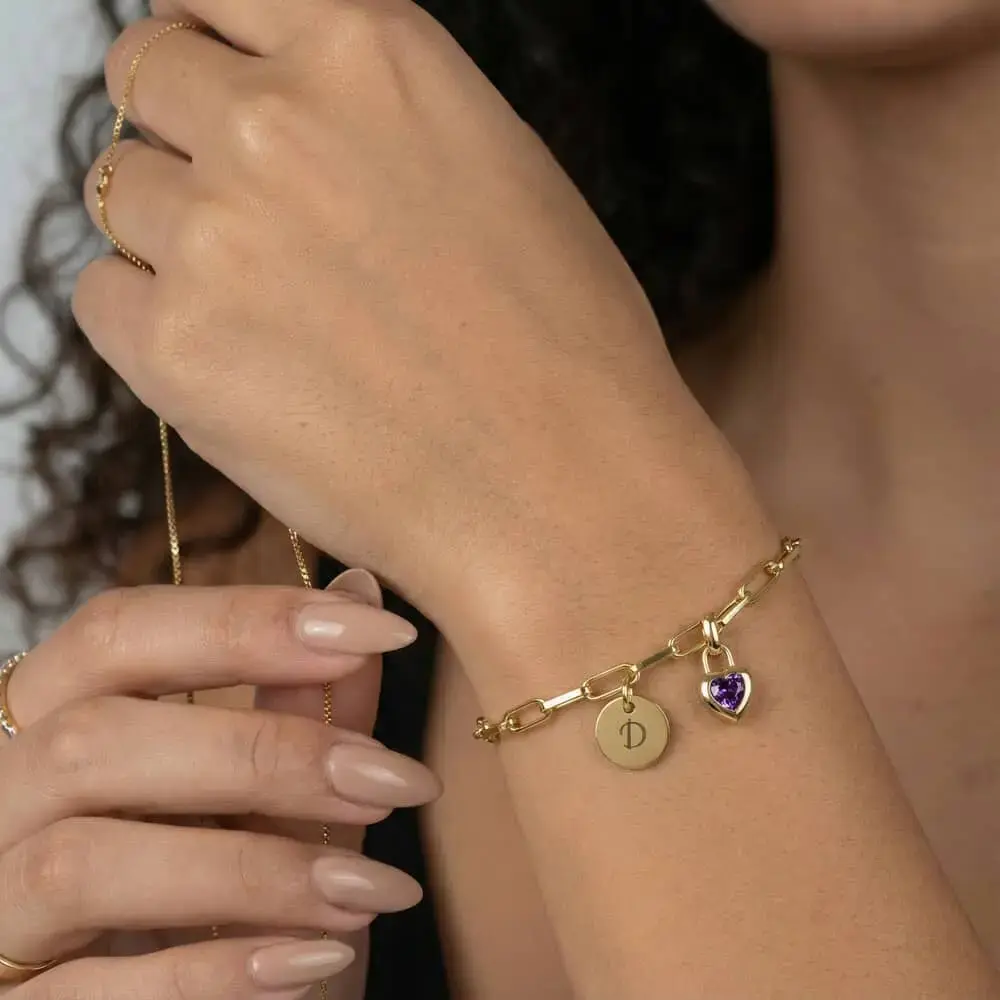
A lovely way to honour a March birthday is with personalised jewellery inspired by the daffodil or set with the month's aquamarine birthstone, a keepsake that outlasts any bouquet. You can also explore the full birth flowers by month guide to see how each month compares.
The daffodil is March's birth flower, with the jonquil often named alongside it.
The daffodil is the main flower, while the jonquil, a close relative, is frequently included as a companion.
Renewal, hope and new beginnings, reflecting its arrival at the start of spring.
Affection and desire, with a romantic note thanks to its sweet fragrance.
Because it blooms across the UK throughout March and is worn on St David's Day as the national flower of Wales.
The daffodil and jonquil are the most recognised, both belonging to the Narcissus family.
The birth flower for March is the daffodil (Narcissus), with the jonquil (Narcissus jonquilla) closely associated as a secondary March flower. Both belong to the Narcissus genus and bloom in early spring, symbolizing renewal, hope, and new beginnings. They are often listed together because of their close botanical relationship.
The daffodil symbolizes rebirth, renewal, hope, and new beginnings, making it a fitting birth flower for March as it is one of the first blooms to appear after winter. It is also associated with good fortune, particularly when gifted as a bunch rather than a single stem. In many cultures, the daffodil represents resilience and the promise of brighter days ahead.
All jonquils are daffodils, but not all daffodils are jonquils. The jonquil is a specific species within the broader Narcissus genus, recognized by its slender rush-like leaves and clusters of small, intensely fragrant yellow flowers. Standard daffodils typically have larger, trumpet-shaped blooms and broader leaves, while jonquils are prized for their powerful scent and carry additional symbolism of desire and affection.