Anyone born in February has two gentle, early-blooming flowers to call their own. The month's primary birth flower is the violet, a small, heart-leaved bloom long associated with loyalty, modesty and faithful love, while its companion is the primrose, one of the first splashes of colour to appear along British hedgerows and woodland banks as winter loosens its grip. Together they mark the quiet turning point between the depths of winter and the earliest hints of spring. Below we look at what each flower means, where its symbolism comes from, and why the two became linked to February.
February is represented by the violet as its main birth flower, with the primrose as a cherished alternative. Both feel very much at home in the UK, where violets and primroses are among the earliest wildflowers to reappear each year.
The violet's dainty purple-blue petals and sweet scent have made it a symbol of loyalty, devotion and quiet modesty for centuries. Because it flowers low to the ground and early in the year, it has long been read as a sign of steadfastness, love that endures even in the cold.
Violets have been woven through European culture since ancient Greece and Rome, appearing in poetry, herbal remedies and romantic tradition. Their association with sincerity and faithful affection carried into British folklore, where the flower became a modest but heartfelt token of love.
Soft yellow and beautifully understated, the primrose is one of Britain's best-loved early bloomers. Its name comes from the Latin for "first rose", a nod to its habit of flowering ahead of most other plants, which is exactly why it stands for youth, renewal and new beginnings.
In British folklore the primrose was thought to offer protection and good fortune, and its arrival was welcomed as reassurance that brighter, warmer days were near. Its early flowering made it a natural emblem of hope at the tail end of winter.
Between them the two flowers balance devotion and optimism. The violet speaks to loyalty, modesty and faithful love, while the primrose speaks to youth, renewal and fresh starts. For a February birthday, the pairing suggests someone loved deeply and celebrated just as the year begins to reawaken.
Violets carry gentle meanings that shift a little by colour:
Both blooms have long histories in Britain. The violet became a favourite of poets and a symbol of sincere affection, while the primrose earned enduring affection as a wild harbinger of spring, celebrated in gardens and countryside alike.
Their link to February is largely seasonal. Violets and primroses are among the first flowers to appear across the UK as the year turns, making them natural symbols for a month poised between winter and spring.
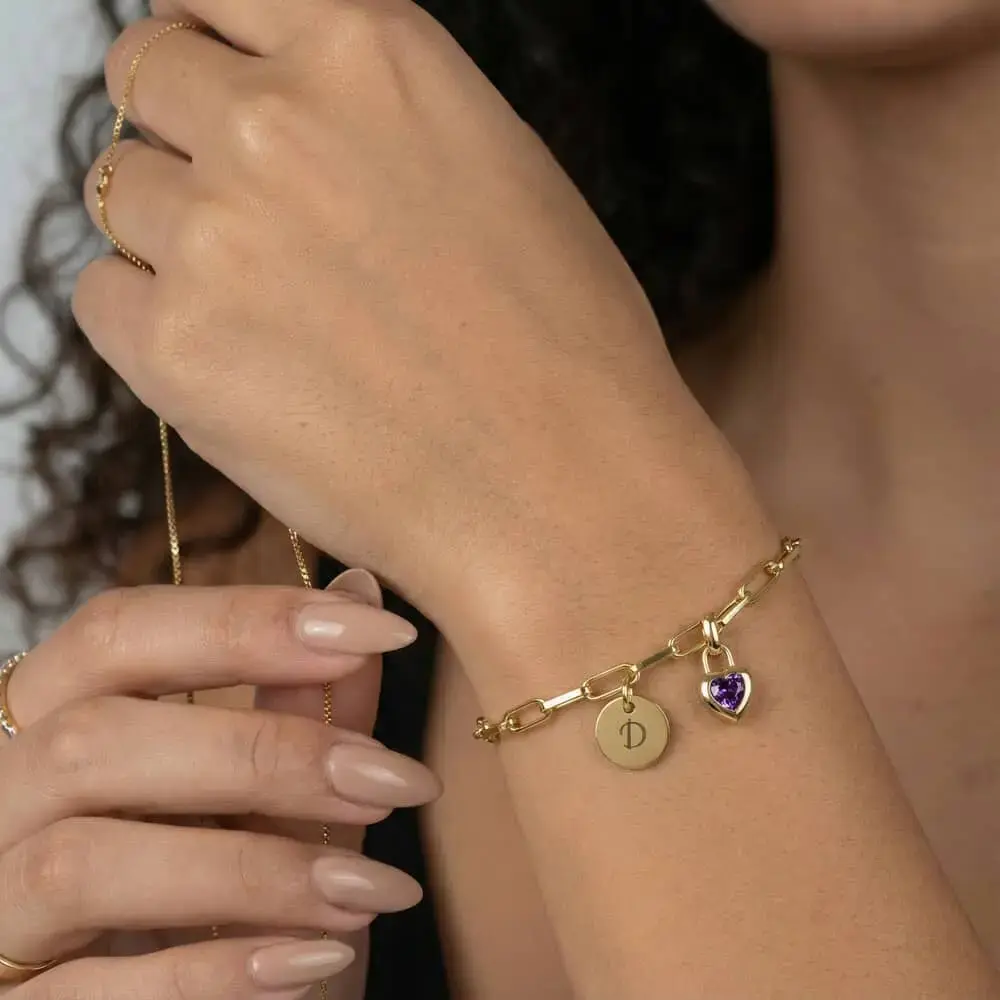
To mark a February birthday, consider a piece of personalised jewellery inspired by these delicate blooms or set with the month's amethyst birthstone, a lasting keepsake. You can also browse the full birth flowers by month guide to compare every month's flowers.
The violet is February's primary birth flower, with the primrose recognised as a second.
Yes. The violet is the traditional main flower, while the primrose is a widely accepted alternative, and both are much loved in the UK.
Loyalty, modesty and faithful love, with subtle shifts in meaning by colour.
Youth, renewal and new beginnings, reflecting its very early flowering.
Because it is one of the earliest wildflowers to bloom across Britain, often appearing before winter has fully passed.
The violet and primrose are the two most recognised, though a few traditions also mention other early spring blooms.
February has two birth flowers: the violet (Viola odorata) and the primrose (Primula vulgaris). The violet is the primary February birth flower, symbolizing loyalty, faithfulness, and modesty, while the primrose is the secondary birth flower, representing young love and new beginnings. Both are early-blooming flowers that reflect the transition from winter toward spring.
The violet symbolizes faithfulness, loyalty, devotion, and modesty, making it a meaningful flower for the month of Valentine's Day. It also carries associations with spiritual wisdom and remembrance, appearing throughout Greek and Roman mythology as a symbol of quiet, sincere affection. The phrase 'shrinking violet' comes from the flower's habit of hiding its blooms beneath its leaves.
The primrose symbolizes young love, new beginnings, and heartfelt devotion. Its name comes from the Latin prima rosa, meaning 'first rose,' referring to its early appearance at the end of winter. In European folklore, giving primroses was considered a sincere declaration of affection, and the flower has long been associated with the arrival of spring and the promise of renewal.