There's something universally enchanting about the moment when two people grasp opposite ends of a wishbone, close their eyes, and pull. This simple ritual, passed down through generations, transforms an ordinary dining experience into a moment of hope and anticipation. Whether you've participated in this tradition during Sunday roasts or holiday feasts, you've likely wondered about the deeper significance behind this curious custom. The wishbone's journey from ancient divination tool to beloved family tradition reveals a fascinating story of human nature's eternal desire to believe in luck, hope, and the power of wishes coming true.
The wishbone, scientifically known as the furcula, is a forked bone found in the chest cavity of birds, formed by the fusion of two clavicles. This distinctive V-shaped bone serves a crucial function in avian anatomy, acting as a spring-like mechanism that stores and releases energy during flight, helping birds maintain the powerful wing beats necessary for sustained aerial movement. Turkeys and chickens possess particularly robust wishbones due to their size and bone density, which is why these have become the most commonly used bones in traditional wishbone-breaking ceremonies. The strength and flexibility of the furcula make it perfect for the pulling ritual, as it can withstand considerable tension before snapping at its weakest point.
The distinctive V-shape of the wishbone isn't merely coincidental—it's a masterpiece of natural engineering that has evolved over millions of years. This elegant arch distributes the enormous forces generated during flight across the bird's chest cavity, preventing injury to vital organs whilst providing the structural support necessary for powerful wing movements. The bone's unique curvature and density create the perfect balance between flexibility and strength, allowing it to bend under pressure before eventually breaking cleanly when pulled from both ends.
The wishbone tradition traces its roots back over 2,400 years to the ancient Etruscans, who believed that birds possessed prophetic powers due to their ability to fly close to the gods. When the Romans conquered the Etruscans, they adopted this practice, using chicken bones for divination rituals where priests would examine the furcula for signs about future events. During medieval times, the tradition evolved as people began using goose wishbones to predict weather patterns, believing that the bone's colour and texture could foretell harsh winters or mild seasons. This practice was so widespread that many households would save wishbones throughout the year, consulting them before making important agricultural decisions or planning seasonal activities.
The modern tradition of two people pulling a wishbone apart emerged during the 17th century in England, where it became known as the 'merrythought' due to the joy and laughter it brought to family gatherings. The rules were quite specific: each person would make a silent wish whilst grasping one end of the dried bone, and whoever ended up with the larger piece after the break would have their wish granted. This evolution from solitary divination to shared ritual reflected changing social customs, transforming the wishbone from a serious prophetic tool into a delightful family tradition that brought people together in moments of hope and friendly competition.
Beyond its practical origins, the wishbone has evolved into a powerful symbol representing hope, potential, and the human desire to influence fate through positive thinking. The V-shape itself is significant in many cultures, representing a fork in the road where choices must be made, or the upward-reaching arms of someone appealing to higher powers. The act of breaking the bone symbolises the release of potential energy—much like making a wish and sending it out into the universe. In psychological terms, the wishbone ritual serves as a tangible representation of optimism, giving people a physical action to accompany their hopes and dreams, which can actually strengthen their commitment to achieving their goals.
The transition of wishbone symbolism from dining table tradition to contemporary jewellery design represents a beautiful evolution of meaningful motifs in fashion. Modern jewellers have embraced the wishbone's elegant V-shape and positive associations, creating pieces that allow wearers to carry the symbol of hope and good fortune with them daily. These designs range from delicate, minimalist interpretations to bold statement pieces, often incorporating precious metals and gemstones to enhance the wishbone's natural beauty. The versatility of the wishbone shape makes it particularly appealing to designers, as it can be adapted to suit various aesthetic preferences whilst maintaining its symbolic significance.
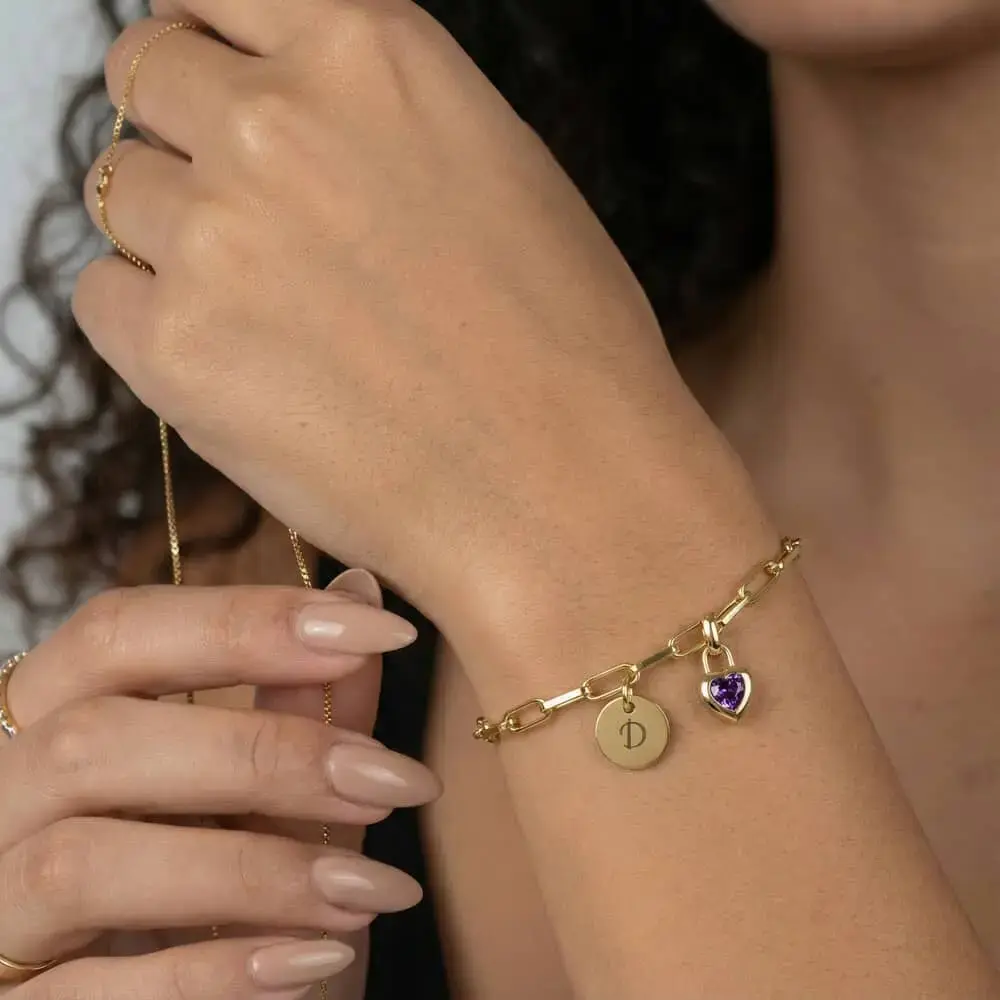
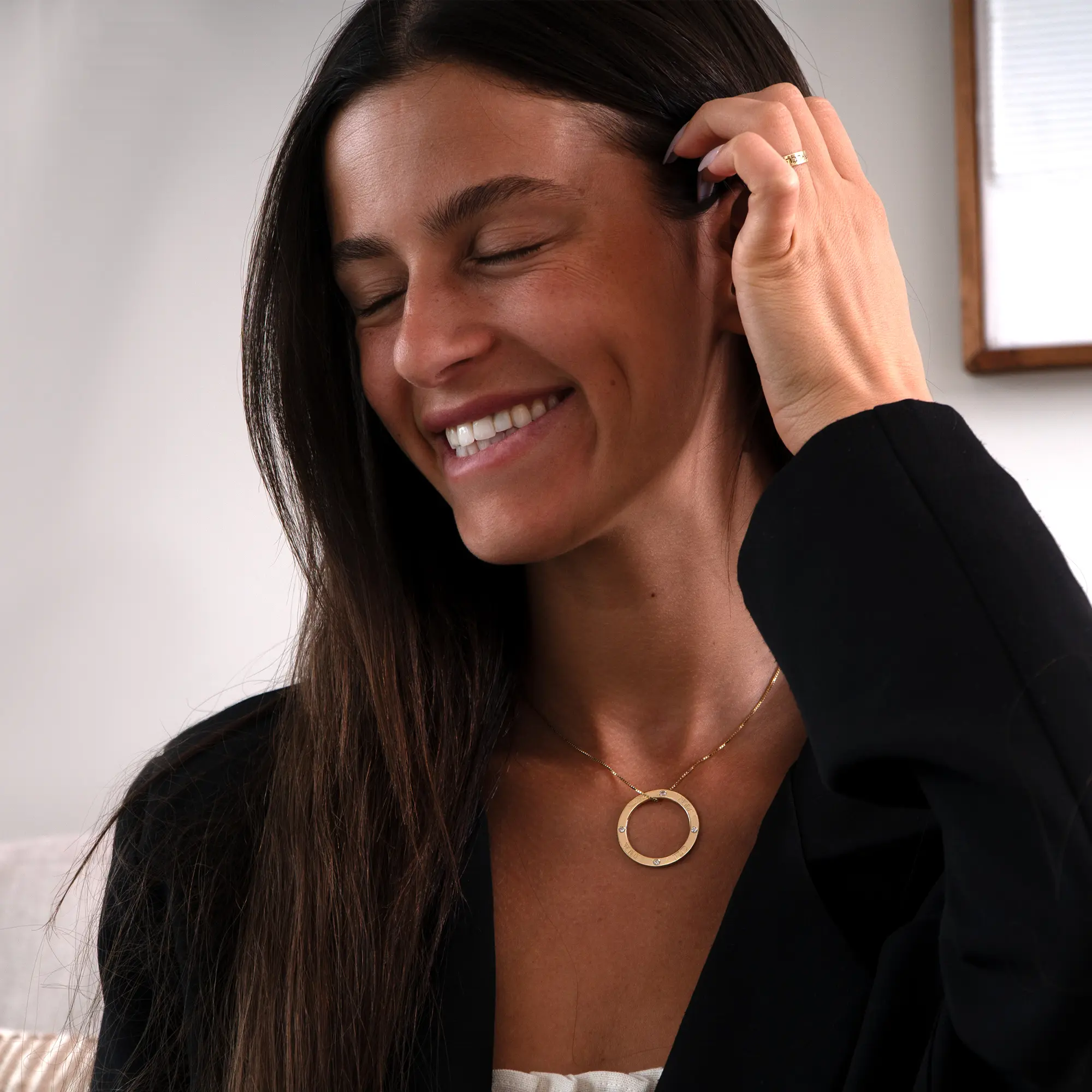
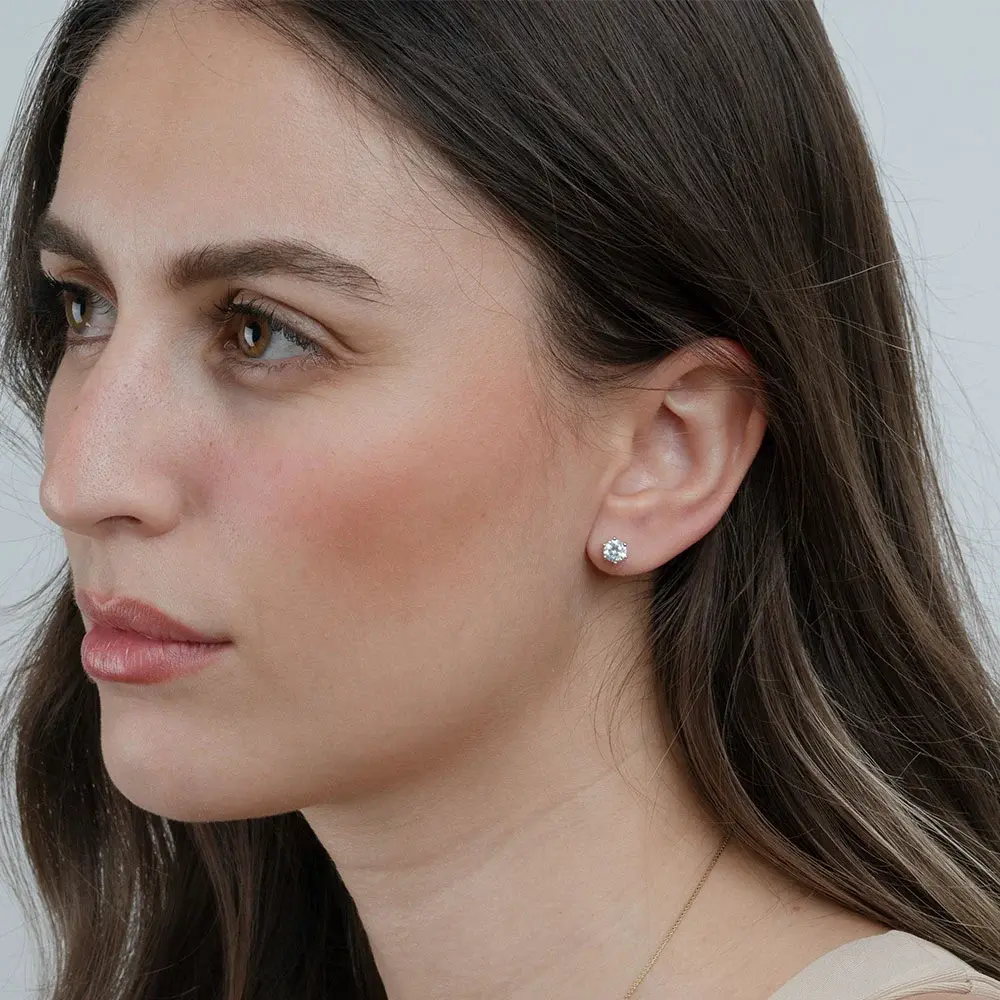
Wishbone jewellery comes in an impressive variety of styles to suit every taste and occasion. Delicate wishbone necklaces often feature the symbol as a pendant, sometimes adorned with diamonds or birthstones for added personalisation, whilst wishbone rings have become increasingly popular as alternative engagement rings or meaningful everyday pieces. Bracelets incorporating wishbone charms offer a subtle way to wear the symbol, and wishbone earrings provide an elegant touch that frames the face beautifully. Many contemporary designs play with the traditional shape, creating abstract interpretations or combining wishbones with other meaningful symbols like infinity signs or hearts to create unique, personalised pieces that tell individual stories.
Wishbone jewellery offers a unique combination of aesthetic appeal and emotional significance that makes it an exceptional choice for both personal wear and gift-giving. The universal nature of the wishbone symbol means it transcends cultural boundaries, making it a meaningful present for anyone who appreciates symbols of hope and positivity. Unlike trends that come and go, wishbone jewellery possesses timeless appeal because it's rooted in centuries of human tradition and represents fundamental human desires for good fortune and fulfilled dreams. Wearing wishbone jewellery serves as a daily reminder to maintain optimism and keep working towards one's goals, making it not just a beautiful accessory but also a source of personal inspiration and motivation.
A wishbone is a V-shaped bone from the neck of a bird, scientifically known as the furcula. It strengthens the bird's neck and aids in flight. In modern times, wishbones from turkeys and chickens are most commonly used, particularly during holiday meals like Christmas and Thanksgiving.
Breaking a wishbone symbolises good luck and fortune, with the person who gets the larger piece receiving 'the lucky break' and being able to make a wish. This tradition is believed to date back to the Middle Ages when people used dried goose wishbones to predict weather. The custom of two people pulling the bone developed in the early 17th century, when it was called a 'merrythought'.
Wishbone jewellery is popular because the unbroken wishbone represents good luck, fortune, and potential. The symbol appears in necklaces, bracelets, rings, and earrings, typically facing downward. Its simple yet meaningful design makes it versatile for both understated pieces and elaborate jewellery designs whilst maintaining its symbolic significance.